
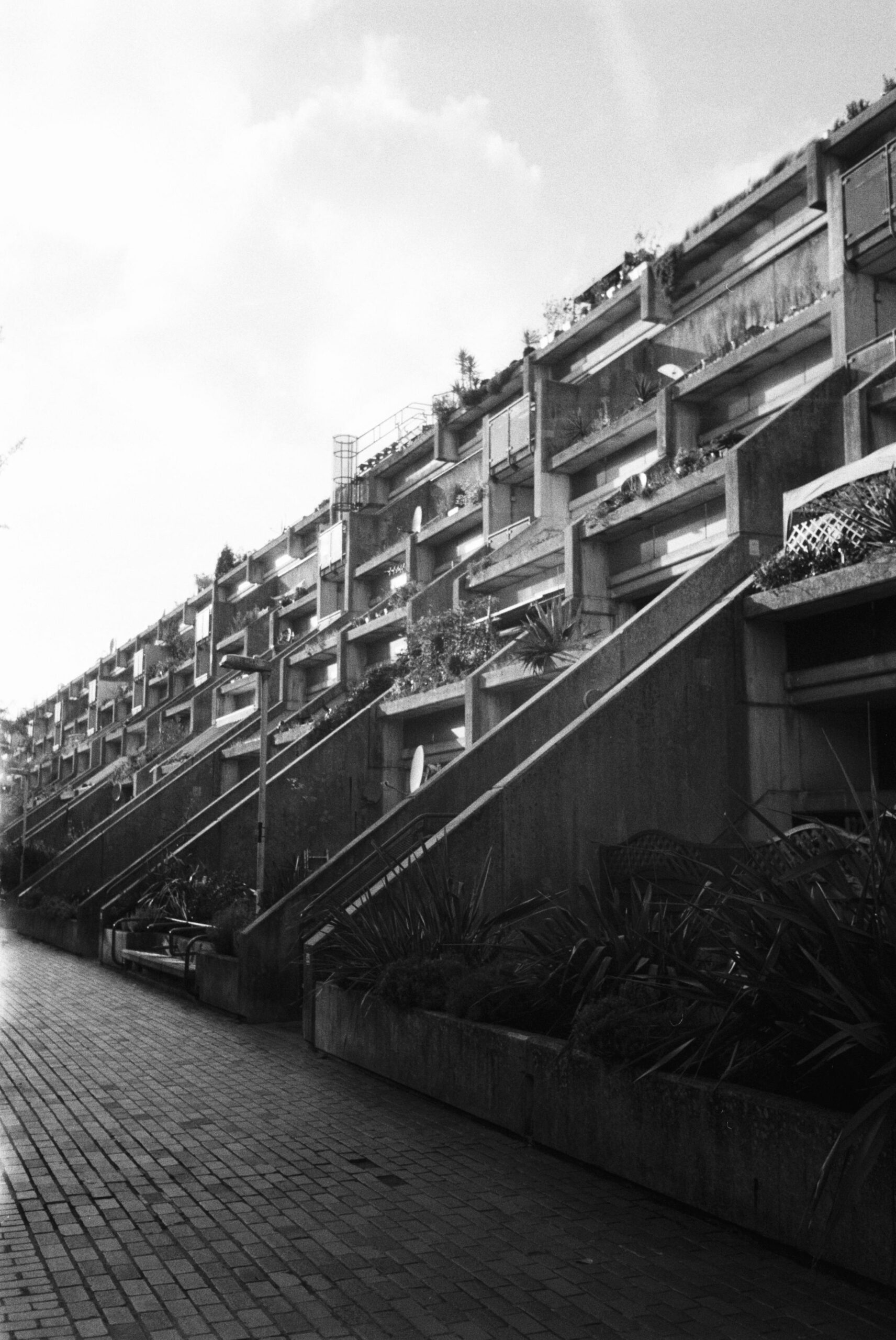
How to Maintain Concrete in High-Traffic Urban Areas
Concrete in busy urban environments faces a unique set of challenges. Continuous pedestrian flow, vehicle loads, pollution, and changing weather conditions all contribute to wear, surface damage, and structural stress. Without proper maintenance, urban concrete deteriorates faster, increasing repair costs and disrupting city operations.
This article provides practical strategies for maintaining concrete in high-traffic areas, ensuring safety, durability, and long-term performance.
Why Urban Concrete Requires Special Care
Urban concrete is subjected to:
- Heavy foot traffic on pavements, plazas, and pedestrian zones
- Repeated vehicular loads on roads, car parks, and access areas
- Pollution, dirt, and chemical contaminants from urban environments
- Exposure to freeze–thaw cycles and de-icing salts
Neglecting these factors accelerates cracking, scaling, and surface wear.
Regular Inspections to Identify Early Wear
Proactive inspection is the foundation of effective maintenance. High-use zones often show damage before it spreads elsewhere. Key inspection points include:
- Surface cracks and spalling
- Abrasion or polished areas where slip resistance may be reduced
- Signs of moisture ingress or drainage issues
- Damage around joints and edges
Early detection prevents minor issues from developing into costly repairs.
Surface Maintenance and Cleaning
Urban concrete accumulates dirt, grime, and pollutants faster than low-traffic areas. Effective maintenance strategies include:
- Regular cleaning with appropriate equipment and detergents
- Avoiding abrasive methods that erode the surface
- Prompt removal of chemical spills, oils, and debris
- Periodic assessment of slip-resistant coatings
Correct cleaning and care preserve both appearance and functional performance.
Repairing Localised Damage Quickly
High-traffic zones are prone to localized damage that can spread if ignored. Prompt interventions include:
- Patching spalled areas with compatible repair materials (how to repair concrete edges and corners without recasting –
- Applying protective coatings to prevent further deterioration
- Monitoring joint and corner wear regularly
Timely repairs minimise disruption to traffic while extending concrete lifespan.
Managing Environmental and Weather Impacts
Urban concrete is constantly exposed to environmental stressors:
- De-icing salts in winter
- Freeze–thaw cycles that promote cracking
- Rainwater runoff or poor drainage around paved areas
Mitigating these factors preserves concrete integrity and reduces the frequency of repairs.
Where Professional Oversight Enhances Durability
Maintaining urban concrete requires planning, technical knowledge, and practical experience. Professionals help with:
- Designing durable surface finishes
- Specifying slip-resistant coatings for high-traffic zones
- Scheduling maintenance to minimise operational disruption
Our teams provide urban concrete maintenance across the UK, from major city centres to busy suburban hubs:
Urban areas and cities we regularly service
- London
- Manchester
- Birmingham
- Liverpool
- Leeds
- Nottingham
- Bristol
- Brighton
- Cardiff
- Plymouth
- Luton
- Reading
- Norwich
- Swindon
- Portsmouth
- Oxford
- Ipswich
Linking Maintenance to Long-Term Performance
Routine maintenance of urban concrete ensures:
- Longevity under heavy traffic and environmental exposure
- Reduced risk of structural or surface failure
- Cost savings from fewer major repairs
- Safer pedestrian and vehicular environments
Integrating inspections, cleaning, and timely repairs maintains performance and reduces whole-life costs
Keep Urban Concrete Safe and Durable
High-traffic urban areas demand proactive concrete maintenance. Timely inspections, targeted repairs, and effective cleaning ensure safety, performance, and extended service life.
For expert advice or to schedule urban concrete maintenance, early guidance can prevent costly issues and operational disruption.
📞 07808 709670 or contact us here.