
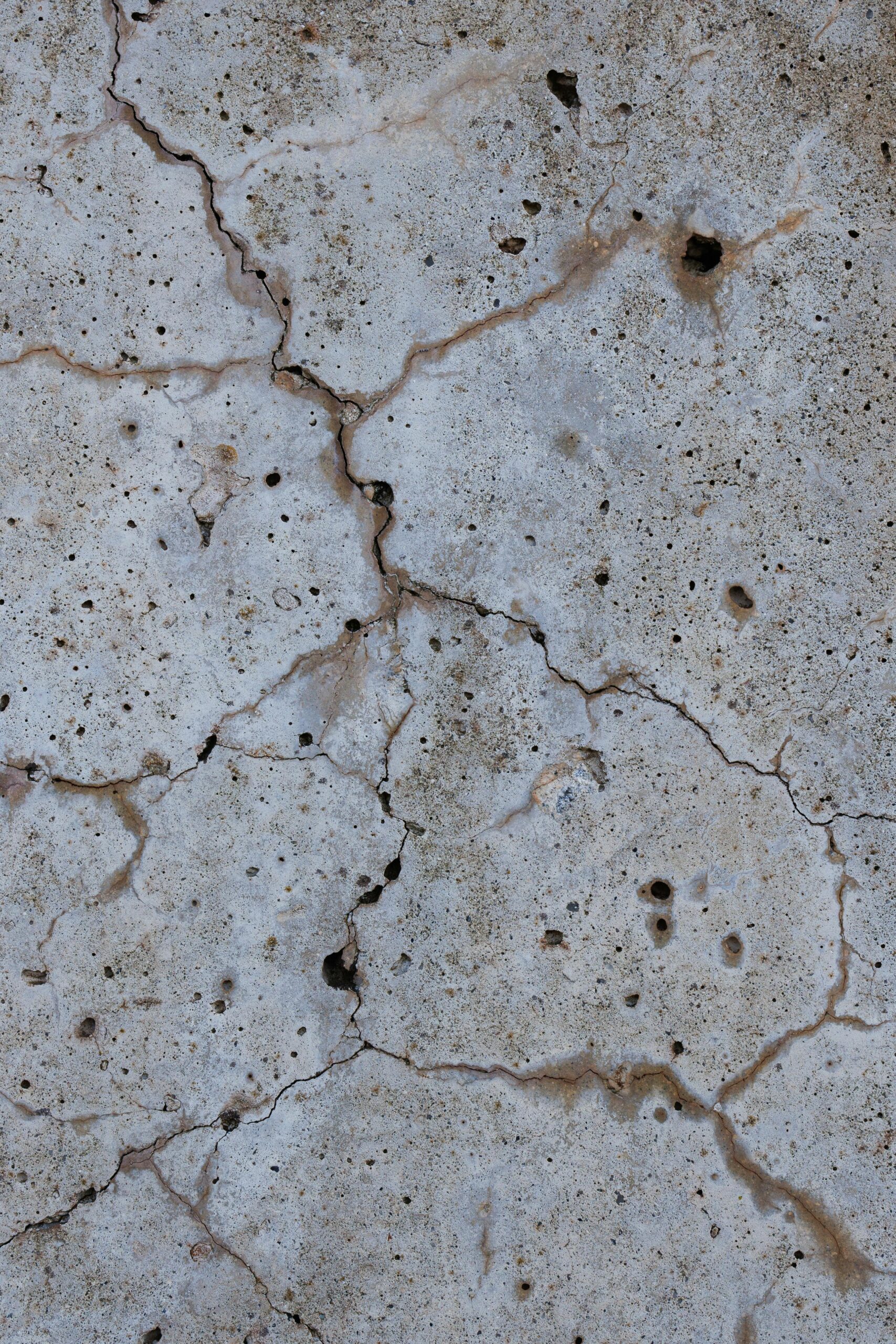
Honeycombing is a common but often overlooked defect in concrete, characterised by voids, exposed aggregate, and rough, uneven surfaces. While it may appear to be a cosmetic issue, honeycombing can significantly reduce structural integrity and allow moisture ingress, leading to long-term deterioration.
This article explains how to identify honeycombing, why it occurs, and how to repair it properly to restore durability and performance.
What Is Honeycombing in Concrete?
Honeycombing occurs when concrete fails to fully compact during placement, leaving gaps and air pockets within the structure. These voids are typically visible on the surface but may also extend deeper into the concrete.
Common signs include:
- Rough, porous surface texture
- Visible aggregate without sufficient cement paste
- Small cavities or voids in formed concrete
- Uneven or poorly finished edges
In many cases, honeycombing is first identified during how to inspect concrete for hidden damage, especially when defects are not immediately visible.
What Causes Honeycombing?
Honeycombing is usually the result of poor placement or compaction rather than material failure.
Typical causes include:
- Inadequate vibration during pouring
- Overly stiff or poorly mixed concrete
- Congested reinforcement restricting flow
- Leaking formwork allowing cement paste to escape
These issues are often linked to broader workmanship problems, similar to those highlighted in top 5 concrete repair mistakes property owners make.
Why Honeycombing Is a Serious Problem
Although it may appear superficial, honeycombing creates direct pathways for water, air, and contaminants to enter the concrete.
This can lead to:
- Reduced structural strength
- Increased permeability
- Accelerated reinforcement corrosion
- Premature surface deterioration
Where moisture is present, the risk increases significantly, particularly if not addressed alongside measuring moisture levels in concrete before repairs.
How to Repair Honeycombing Properly
Effective repair depends on the depth and severity of the defect. Superficial treatments are rarely sufficient for long-term performance.
1. Assess the Extent of Damage
Determine whether honeycombing is surface-level or extends deeper into the structure. This may require further investigation similar to assessing concrete strength and durability on site.
2. Remove Unsound Material
All weak, loose, or poorly bonded concrete must be removed to expose a sound substrate.
3. Prepare the Surface
Proper preparation is critical. This follows the same principles used when preparing a concrete surface before applying waterproof coatings.
4. Apply Suitable Repair Material
Use compatible repair mortars designed for structural or cosmetic repair, depending on severity.
5. Cure and Protect
Ensure proper curing conditions, especially in variable UK climates, as outlined in ensuring concrete curing is done correctly in all seasons.
Preventing Honeycombing in Future Works
Prevention is always more effective than repair. Key measures include:
- Proper mix design suited to placement conditions
- Adequate vibration and compaction
- Correct formwork installation
- Skilled placement techniques
These steps are essential in maintaining long-term durability and avoiding early-stage defects.
When Professional Repair Is Required
Professional intervention is recommended when:
- Honeycombing is widespread or deep
- Reinforcement is exposed
- Structural performance may be affected
- The affected area is load-bearing
Specialist assessment ensures the correct repair method is used, avoiding superficial fixes that fail prematurely.
Areas We Cover
We provide concrete repair and remediation services across the UK, including:
- London
- Manchester
- Birmingham
- Liverpool
- Leeds
- Nottingham
- Bristol
- Brighton
- Cardiff
- Plymouth
- Luton
- Reading
- Norwich
- Swindon
- Portsmouth
- Oxford
- Ipswich
- Maidstone
- Cambridge
- Southampton
- Slough
- Warrington
- Sheffield
- Leicester
- Coventry
- Milton Keynes
- Northampton
Restore Concrete Before Minor Defects Become Major Failures
Honeycombing is more than a surface imperfection, it is a sign of compromised concrete that requires proper assessment and repair. Addressing it early prevents moisture ingress, corrosion, and long-term structural issues.
For expert advice or to assess honeycombing in your structure:
📞 07808 709670 or contact us here!