
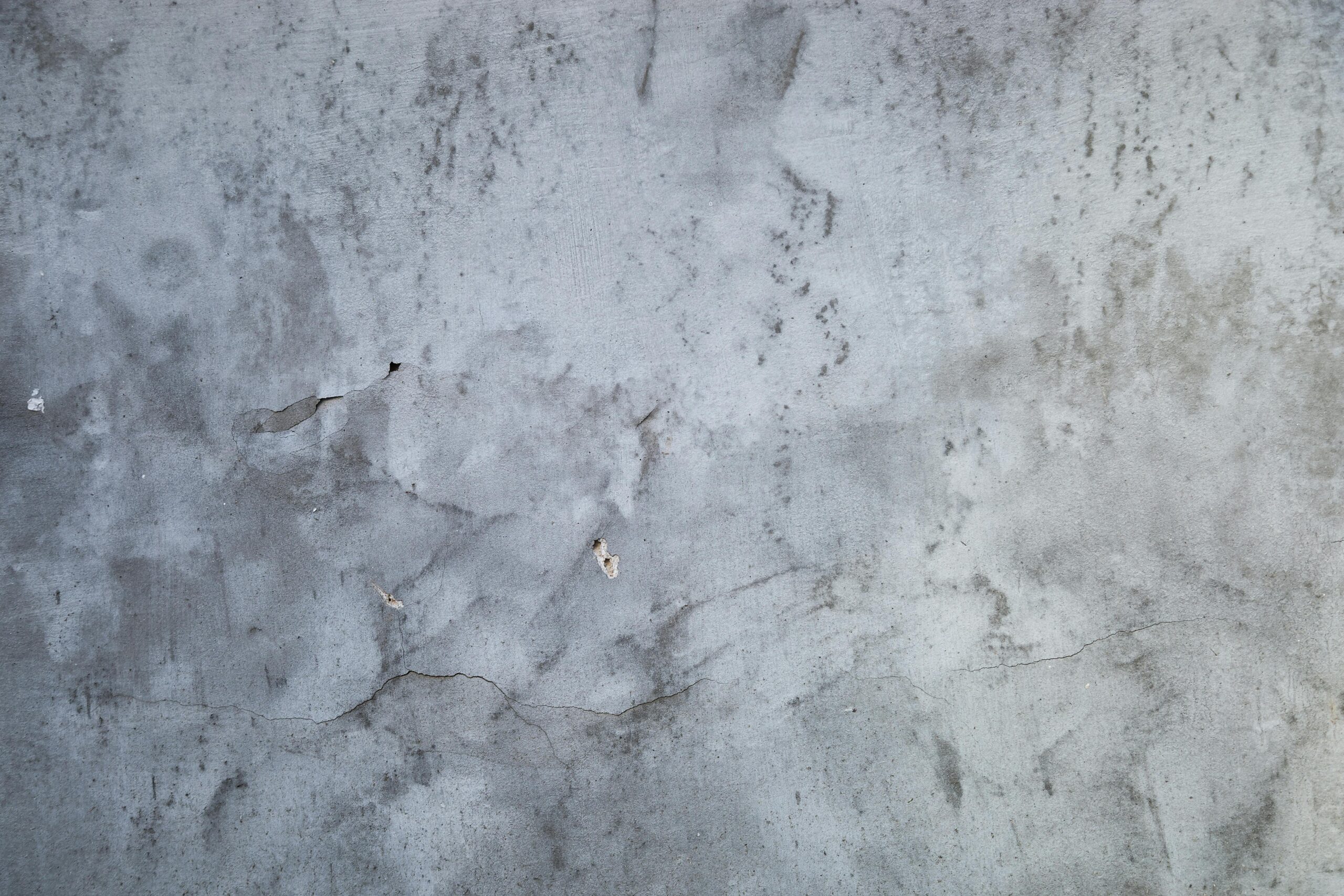
How to Assess Concrete Strength and Durability on Site
Assessing the condition of concrete on site is a critical step before any repair, refurbishment, or change of use is considered. Understanding how to assess concrete strength and durability allows engineers, contractors, and property owners to make informed decisions about safety, longevity, and repair scope.
Concrete can appear sound on the surface while suffering from reduced strength or durability beneath. On-site assessment helps identify hidden weaknesses before they develop into structural failures or costly remedial works.
Why On-Site Assessment Matters
Concrete strength refers to the material’s ability to withstand loads, while durability relates to how well it resists environmental exposure over time. A structure may still carry load but be at risk of long-term deterioration if durability has been compromised.
On-site assessment helps to:
- Identify loss of structural capacity
- Detect early deterioration mechanisms
- Determine whether repair or replacement is required
- Inform suitable repair methods and materials
Without proper assessment, repairs may address symptoms rather than underlying causes.
Visual Inspection: The First Assessment Step
Visual inspection remains one of the most valuable on-site tools. While it does not provide quantitative strength data, it offers important clues about overall condition.
Key indicators include:
- Cracking patterns and distribution
- Surface scaling or abrasion
- Spalling or exposed reinforcement
- Signs of moisture ingress or staining
Many of these indicators overlap with early warning signs discussed when identifying the signs your concrete needs repair.
Non-Destructive Testing Methods
Rebound hammer testing
The rebound (Schmidt) hammer provides a quick indication of surface hardness, which can be correlated to compressive strength. While results are influenced by surface condition and carbonation, rebound testing is useful for comparing relative strength across different areas.
It is best used as a screening tool rather than a standalone strength assessment.
Ultrasonic pulse velocity (UPV) testing
UPV testing measures the speed of ultrasonic waves through concrete. Slower velocities may indicate cracking, voids, or reduced material quality.
This method is particularly useful for identifying internal defects and assessing uniformity, contributing to a more complete durability assessment.
Semi-Destructive and Destructive Testing
Core sampling and compressive strength testing
Concrete cores provide the most reliable data on in-situ strength. Extracted cores are tested in a laboratory to determine compressive strength and, where required, density and durability indicators.
Core testing is commonly used where load capacity or compliance with standards must be verified.
Carbonation depth testing
Carbonation reduces the alkalinity of concrete, increasing the risk of reinforcement corrosion. Testing carbonation depth helps assess long-term durability and potential future deterioration.
This is especially relevant in older structures and exposed urban environments. This approach is applied on projects throughout the UK.
We serve the major cities, including:
- London
- Manchester
- Birmingham
- Liverpool
- Leeds
- Nottingham
- Bristol
- Brighton
- Cardiff
- Plymouth
- Luton
- Reading
- Norwich
- Swindon
- Portsmouth
- Oxford
- Ipswich
Assessing Durability Beyond Strength
Strength alone does not define concrete performance. Durability assessment considers how the concrete will behave under continued exposure to moisture, freeze–thaw cycles, pollutants, and mechanical wear.
Durability issues are often linked to broader deterioration mechanisms such as those explored when examining the causes of concrete damage.
Environmental Exposure and UK Conditions
UK concrete structures are subject to variable weather conditions, including high rainfall, temperature fluctuations, and freeze–thaw cycles. These factors can significantly affect long-term durability, even where strength remains adequate.
External slabs, balconies, basements, and car parks are particularly vulnerable. Understanding how exposure influences performance is closely tied to how weather affects concrete in the UK.
Interpreting Assessment Results
Assessment data must be interpreted in context. A lower-than-expected strength result does not automatically mean failure, just as acceptable strength does not guarantee durability.
Factors to consider include:
- Age of the structure
- Original design intent
- Exposure conditions
- Observed deterioration mechanisms
This interpretation stage is critical in deciding whether repairs are required and, if so, how extensive they should be.
Linking Assessment to Repair Strategy
Assessment findings directly influence repair decisions. For example:
- Localised defects may only require targeted repairs
- Widespread deterioration may require structural strengthening
- Durability issues may demand protective coatings or waterproofing
Understanding assessment results is fundamental to selecting appropriate solutions, which forms part of evaluating the different ways concrete repairs are carried out.
When to Involve Specialists
Professional assessment is strongly recommended where:
- Load-bearing elements are involved
- Results are inconsistent or inconclusive
- Durability concerns extend beyond cosmetic defects
- The structure is commercial or public-facing
This level of investigation is standard practice within professional concrete repairs across the UK, where long-term performance and safety are prioritised.
Get Advice Before You Act
Knowing how to assess concrete strength and durability on site helps avoid unnecessary repairs and ensures genuine risks are addressed early.
If you are unsure how to interpret assessment results or whether further investigation is required, obtaining an early professional opinion can prevent costly mistakes.
You can also speak directly with a specialist by calling 07808 709670.
Assessment first. Decisions second. Repairs last.