
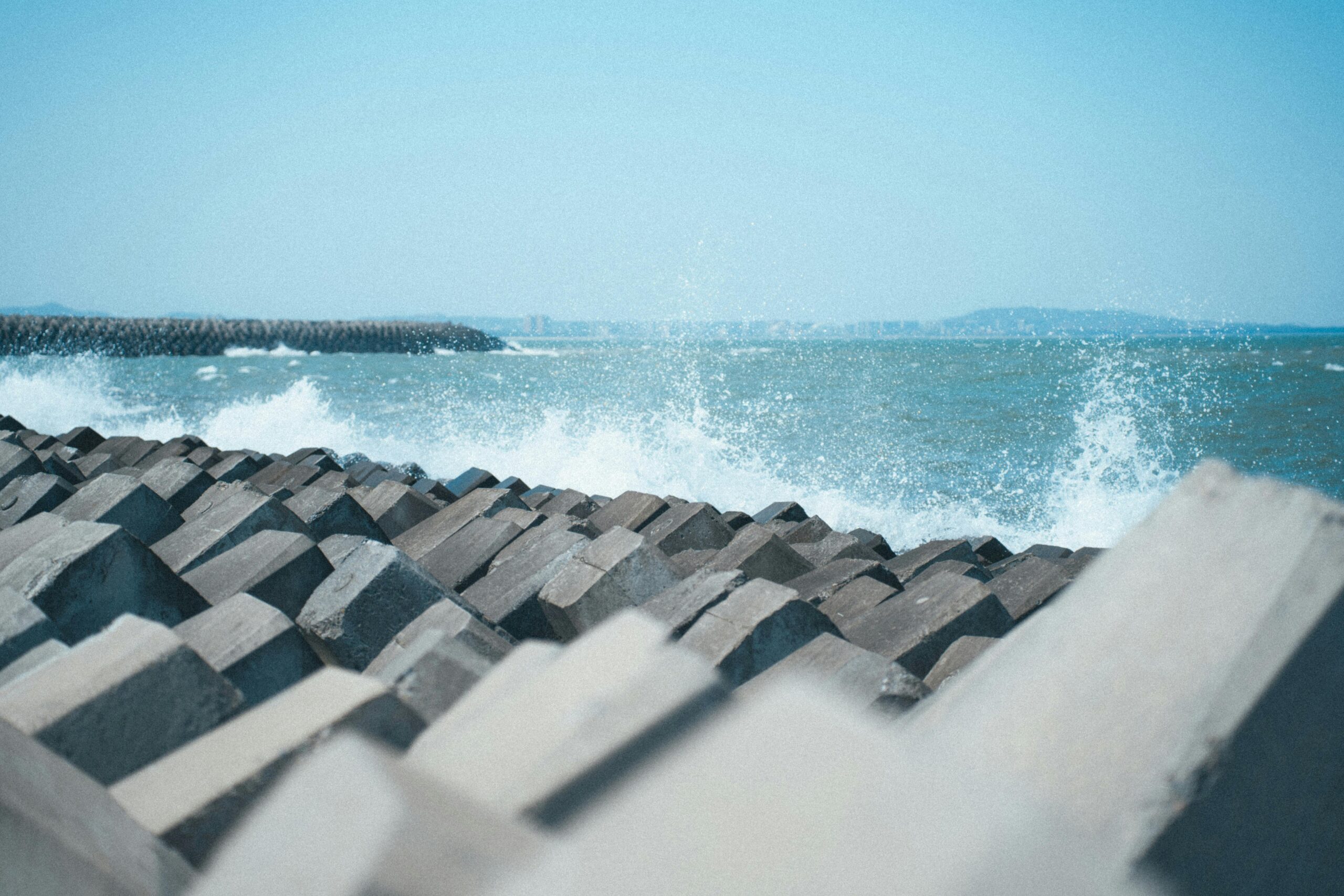
Concrete structures in coastal areas face a unique challenge: salt-laden air. Chloride ions carried by coastal spray can penetrate concrete over time, accelerating reinforcement corrosion, surface spalling, and structural deterioration. Because this damage often develops gradually beneath the surface, it may go unnoticed until visible defects appear, making early intervention critical.
This article provides practical guidance on assessing, repairing, and protecting concrete affected by coastal salt spray, with approaches suited to UK coastal conditions.
Why Coastal Salt Spray Is a Serious Threat
Coastal salt spray introduces chloride ions that gradually break down concrete’s natural protective alkalinity. Once chlorides reach the reinforcement and corrosion begins, a chain reaction follows.
Common consequences include:
- Surface spalling and delamination
- Progressive cracking and loss of cover
- Compromised structural capacity
- Escalating maintenance and repair costs
Even well-designed concrete is vulnerable when exposed to marine environments without adequate protection, following the same deterioration pathways seen in other common causes of concrete damage.
Assessing Salt Damage
Before any repair work is undertaken, a thorough assessment is essential to determine the extent and severity of chloride contamination.
Assessment typically includes:
- Measuring chloride penetration depth within the concrete
- Inspecting for cracking, spalling, and delamination
- Checking for exposed or actively corroding reinforcement
- Identifying areas subject to recurring moisture ingress or salt deposition
Early and accurate diagnosis allows for targeted repairs rather than unnecessary large-scale remediation. This approach aligns with best practice when learning how to inspect concrete for hidden damage.
Preparing the Concrete for Repair
Successful coastal repairs depend on achieving a clean, stable substrate. Preparation is often the most critical stage of the repair process.
Key preparation steps include:
- Removing all loose, spalled, or chloride-contaminated concrete
- Cleaning exposed reinforcement and treating active corrosion
- Opening cracks to ensure effective bonding of repair materials
- Ensuring the surface is free from salts, dust, and contaminants
In coastal environments, inadequate preparation is one of the most common causes of premature repair failure, particularly around corroded reinforcement.
Choosing the Right Repair Materials
Repair materials used in coastal environments must provide long-term resistance to chloride ingress while remaining compatible with the existing concrete.
Key selection criteria include:
- Repair mortars designed for marine or high-chloride exposure
- Strong bond strength with existing concrete
- Durability under repeated wet–dry cycles
- Adequate cover depth to protect reinforcement from future corrosion
Using inappropriate materials often results in recurring corrosion and repeated repair cycles.
Applying Protective Coatings After Repair
Following structural repairs, protective coatings play a crucial role in extending service life in coastal locations.
Effective protective systems:
- Reduce further chloride and moisture penetration
- Limit carbonation and environmental attack
- Protect repaired areas from wind-driven salt spray and UV exposure
Surface preparation and compatibility with repair materials are essential for coating performance. When correctly specified, protective systems significantly reduce long-term maintenance demands and support the role of protective coatings in preserving UK concrete structures.
Ongoing Maintenance in Coastal Areas
Repair and coating alone are not enough to guarantee durability in marine environments. Ongoing inspection and maintenance remain essential.
Recommended practices include:
- Inspecting high-exposure zones after storms or extreme weather
- Cleaning salt deposits from concrete surfaces where accessible
- Monitoring joints, edges, and repaired areas for early deterioration
- Addressing minor defects promptly before corrosion accelerates
Consistent maintenance prevents minor salt-related damage from developing into major structural issues, avoiding many of the common concrete repair mistakes made by property owners.
Where Professional Oversight Is Critical
Concrete repair in coastal environments requires specialist knowledge of materials, exposure conditions, and long-term protection strategies.
Professional contractors provide:
- Accurate assessment of chloride contamination and corrosion risk
- Correct specification and application of repair materials
- Integrated protection strategies tailored to coastal exposure
Our teams carry out concrete repairs and protective treatments for coastal and near-coastal sites across the UK, from busy urban waterfronts to remote marine structures. We operate in major cities such as:
- London
- Manchester
- Birmingham
- Liverpool
- Leeds
- Nottingham
- Bristol
- Brighton
- Cardiff
- Plymouth
- Luton
- Reading
- Norwich
- Swindon
- Portsmouth
- Oxford
- Ipswich
Linking Coastal Protection to Long-Term Durability
Concrete that is properly repaired and protected in coastal environments:
- Resists chloride penetration and reinforcement corrosion
- Maintains performance under aggressive wet–dry cycles
- Reduces future repair frequency and associated costs
- Extends the overall service life of the structure
Preventive repair strategies combined with routine maintenance consistently outperform reactive approaches, as demonstrated across different methods of concrete repair.
Protect Your Concrete Before Damage Escalates
Salt spray damage in coastal areas often develops gradually but can lead to serious long-term consequences if left unaddressed. Early assessment, appropriate repairs, and durable protective coatings ensure concrete remains safe, resilient, and cost-effective over time.