
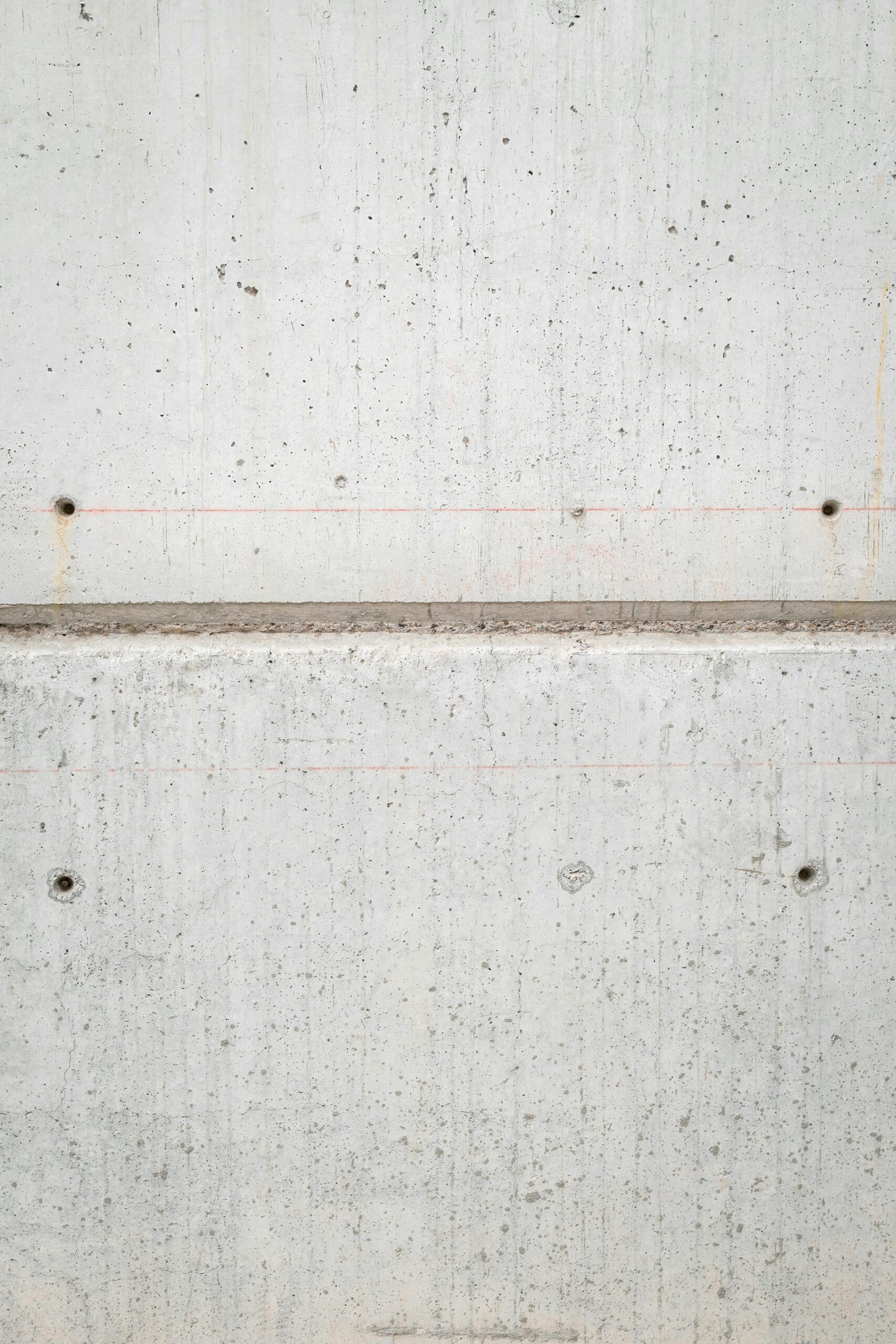
Expansion joints play a critical role in allowing concrete to move without cracking. When these joints fail or are incorrectly sealed, water ingress, edge damage, and accelerated deterioration often follow. Knowing how to fill and seal expansion joints in concrete correctly helps preserve structural integrity, control moisture movement, and extend the service life of concrete elements.
In the UK, where temperature fluctuations, rainfall, and freeze–thaw cycles are common, joint performance is particularly important. A joint that cannot move freely or is poorly sealed often becomes the weakest point in the concrete system.
Why Expansion Joints Are Necessary in Concrete
Concrete expands and contracts due to temperature changes, moisture variation, and loading. Expansion joints are deliberately introduced to accommodate this movement and prevent random cracking.
When joints are blocked, incorrectly filled, or sealed with rigid materials, stresses transfer into the concrete, leading to cracking, spalling, or joint-edge breakdown.
Expansion joints are commonly found in:
- Floor slabs and pavements
- Car parks and podium decks
- Balconies and roof slabs
- Industrial and commercial buildings
Common Problems Caused by Failed Expansion Joints
Poorly maintained or incorrectly sealed joints can lead to a range of issues, including:
- Water penetration into slabs or structures below
- Breakdown of joint edges due to traffic or movement
- Corrosion of reinforcement at slab edges
- Accelerated surface wear
These problems are often early indicators of wider deterioration, similar to the warning signs discussed when identifying the signs your concrete needs repair.
Step 1: Assess the Condition of the Joint
Before any filling or sealing work begins, the joint must be assessed to understand how it is behaving.
Key considerations include:
- Is the joint still active and moving?
- Has the existing sealant failed or debonded?
- Are joint edges damaged or spalled?
- Is water ingress present?
Movement joints must never be treated as static cracks. Understanding joint behaviour is essential before selecting materials.
Step 2: Remove Failed Sealants and Debris
Existing sealants, debris, and contaminants must be completely removed from the joint. Leaving residues behind often leads to poor adhesion and early sealant failure.
Preparation typically involves:
- Mechanical removal of old sealants
- Cleaning joint faces
- Ensuring consistent joint depth and width
This preparation stage is critical and aligns closely with principles used when carrying out different methods of concrete repair.
Step 3: Repair Damaged Joint Edges
If joint edges are cracked, broken, or spalled, they must be repaired before resealing. Applying sealant to damaged edges will not restore joint performance.
Edge repairs may involve:
- Localised concrete repairs
- Reinstating arrises
- Ensuring sound, stable edges for sealant adhesion
Ignoring edge damage is one of the most common reasons joint repairs fail prematurely.
Step 4: Install Backer Rods Where Required
Backer rods are used to control sealant depth and prevent three-sided adhesion, which restricts movement.
Correct use of backer rods:
- Ensures the sealant can stretch and compress
- Improves long-term performance
- Reduces material waste
Backer rods should be sized appropriately and installed without compression that could affect sealant behaviour.
Step 5: Choose the Correct Joint Sealant
Selecting the right sealant is one of the most important decisions when sealing expansion joints.
Flexible sealants for movement joints
Most expansion joints require flexible sealants, such as polyurethane or hybrid systems, which can accommodate repeated movement without tearing or debonding.
These sealants are commonly used in exposed environments and high-traffic areas.
Avoiding rigid or incompatible materials
Rigid fillers, mortars, or inappropriate coatings restrict movement and almost always lead to cracking. These mistakes are frequently highlighted when reviewing common waterproofing mistakes and how to avoid them.
Step 6: Apply Sealant Correctly
Sealant application should follow manufacturer guidance, including:
- Correct priming where required
- Controlled application to avoid air pockets
- Proper tooling to ensure adhesion to joint faces
Poor application technique can compromise even the best materials.
The Impact of UK Weather on Expansion Joints
UK climate conditions place significant stress on expansion joints. Temperature changes cause frequent expansion and contraction, while moisture accelerates joint-edge deterioration.
Freeze–thaw cycles can force water into poorly sealed joints, widening defects and increasing damage over time. This environmental stress is closely linked to how weather affects concrete in the UK.
Expansion Joints and Waterproofing Performance
Expansion joints are often the weakest link in waterproofing systems. Even well-applied membranes or coatings can fail if joints are not detailed correctly.
Joint sealing is therefore a critical part of broader waterproofing strategies, particularly on roofs, balconies, and podium decks. Failures at joints are a recurring theme in many waterproofing case studies.
Integrating Joint Sealing with Concrete Repairs
Expansion joint repairs should not be treated in isolation. Cracking, spalling, and joint failure often occur together and should be addressed as part of a coordinated repair approach.
This integrated methodology is standard within professional concrete repairs across the UK, where joint performance, durability, and waterproofing are considered together. This experience has taken us to projects across the UK, each with its own environmental and structural challenges. We serve all across major cities across the country, including:
- London
- Manchester
- Birmingham
- Liverpool
- Leeds
- Nottingham
- Bristol
- Brighton
- Cardiff
- Plymouth
- Luton
- Reading
- Norwich
- Swindon
- Portsmouth
- Oxford
- Ipswich
When Specialist Input Is Worthwhile
Professional advice is recommended where:
- Joints are subject to heavy traffic or loading
- Water ingress is already occurring
- Movement is significant or unpredictable
- Previous joint repairs have failed
In these situations, confirming the joint repair approach before resealingcan prevent repeat failures and unnecessary disruption.
You can also speak directly with a specialist by calling 07808 709670.
Final Thoughts
Knowing how to fill and seal expansion joints in concrete correctly is essential to managing movement, preventing water ingress, and protecting concrete structures over the long term.
Expansion joints are designed to move. Successful sealing respects that movement rather than trying to restrain it. When joints are prepared properly, detailed correctly, and sealed with the right materials, they perform as intended — even under challenging UK conditions.