
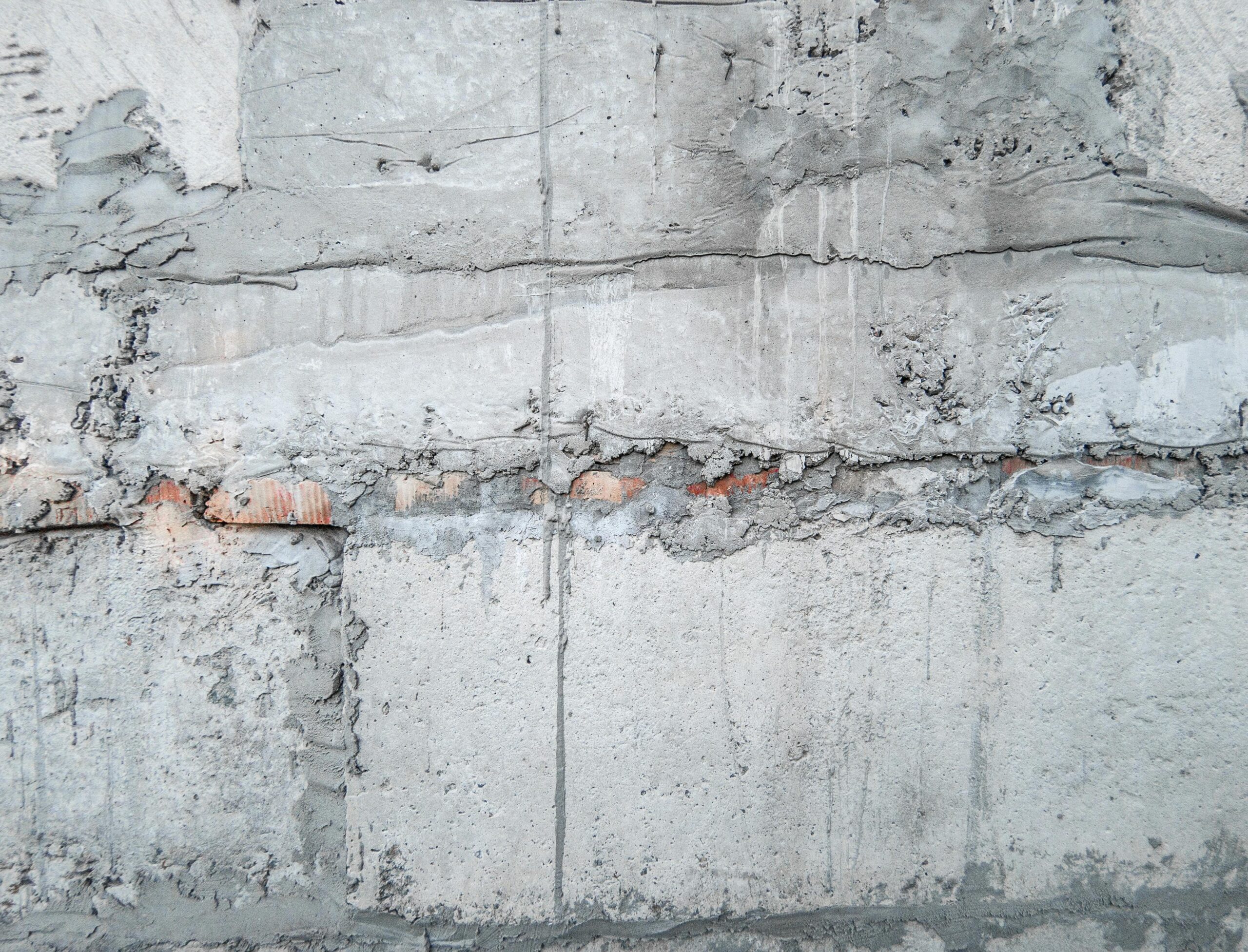
Recoating old concrete can be an effective way to restore appearance and performance without the cost and disruption of full surface removal. However, applying new coatings over existing concrete, or previous coatings, carries risks if the substrate isn’t properly assessed and prepared.
This article focuses on when recoating without stripping is appropriate, what conditions must be met, and how to avoid common failures that lead to delamination, blistering, or premature wear.
When Recoating Without Stripping Is a Viable Option
Not all concrete surfaces need to be stripped back to bare substrate before recoating. In many cases, existing surfaces remain structurally sound but have lost aesthetic or functional performance.
Recoating may be suitable when:
- The concrete remains structurally intact
- Existing coatings are well bonded
- Surface contamination is limited
- No ongoing moisture issues are present
Attempting to recoat unsuitable substrates often leads to early failure and repeat works.
Assessing Existing Coatings and Substrate Condition
Before deciding whether stripping can be avoided, the existing surface must be properly evaluated.
Key checks include:
- Adhesion testing of existing coatings
- Identifying blistering, flaking, or delamination
- Checking for active or dormant cracking
- Measuring moisture levels within the concrete
Skipping this assessment is one of the most common causes of recoating failure
Moisture: The Biggest Risk When Recoating
Moisture trapped beneath coatings will eventually find a way out. Recoating without addressing moisture issues almost always leads to blistering or debonding.
Important considerations include:
- Rising damp or groundwater pressure
- Water ingress through joints or walls
- Condensation in enclosed spaces
Where moisture levels exceed acceptable limits, recoating alone is unlikely to succeed.
Surface Preparation Without Full Removal
Even when stripping isn’t required, surface preparation remains critical. The goal is to create a clean, keyed surface that allows the new coating to bond effectively.
Typical preparation steps include:
- Thorough cleaning and degreasing
- Light mechanical abrasion or grinding
- Removal of weak or chalking layers
- Opening up pores without damaging sound concrete
Inadequate preparation often leads to patchy adhesion and uneven finishes.
Compatibility Between Old and New Coatings
Not all coating systems are compatible. Applying a rigid coating over a flexible system, or vice versa, can cause cracking and delamination.
Compatibility checks should consider:
- Existing coating type (epoxy, polyurethane, acrylic)
- Vapour permeability requirements
- Thermal and structural movement
- Chemical exposure conditions
Incompatibility is a common reason why recoated surfaces fail long before their expected service life.
Managing Joints, Cracks, and Edge Details
Joints and cracks are common bypass routes for moisture and movement. Recoating without addressing these areas often results in early breakdown.
Key detailing steps include:
- Cleaning and resealing expansion joints
- Treating cracks appropriately based on movement
- Reinforcing edges and corners where wear is highest
Ignoring detailing issues is a frequent cause of premature coating failure
When Partial Stripping Is Still Necessary
In some cases, selective removal is unavoidable. Localised stripping may be required where:
- Coatings are debonded or blistered
- Moisture damage is evident
- Previous repairs have failed
- Surface contamination is deeply embedded
Targeted removal can still reduce downtime and cost compared to full surface stripping.
Where Professional Assessment Prevents Costly Mistakes
Recoating without stripping is not a shortcut, it’s a technical decision. Professional assessment helps determine whether it’s a viable long-term solution or a false economy.
We regularly assess and recoat concrete surfaces on live sites across the UK, balancing durability with operational constraints:
- London
- Manchester
- Birmingham
- Liverpool
- Leeds
- Nottingham
- Bristol
- Brighton
- Cardiff
- Plymouth
- Luton
- Reading
- Norwich
- Swindon
- Portsmouth
- Oxford
- Ipswich
Linking Recoating Decisions to Long-Term Performance
Successful recoating projects:
- Extend surface life without major disruption
- Improve appearance and functionality
- Reduce future maintenance cycles
- Lower whole-life costs
This only holds true when underlying issues are resolved before recoating begins.
Recoat With Confidence, Not Guesswork
Recoating old concrete without stripping the surface can be highly effective, but only when the substrate is suitable and preparation is done properly.
If you’re considering recoating and want to avoid premature failure or repeat works, early technical advice can save time and cost.