
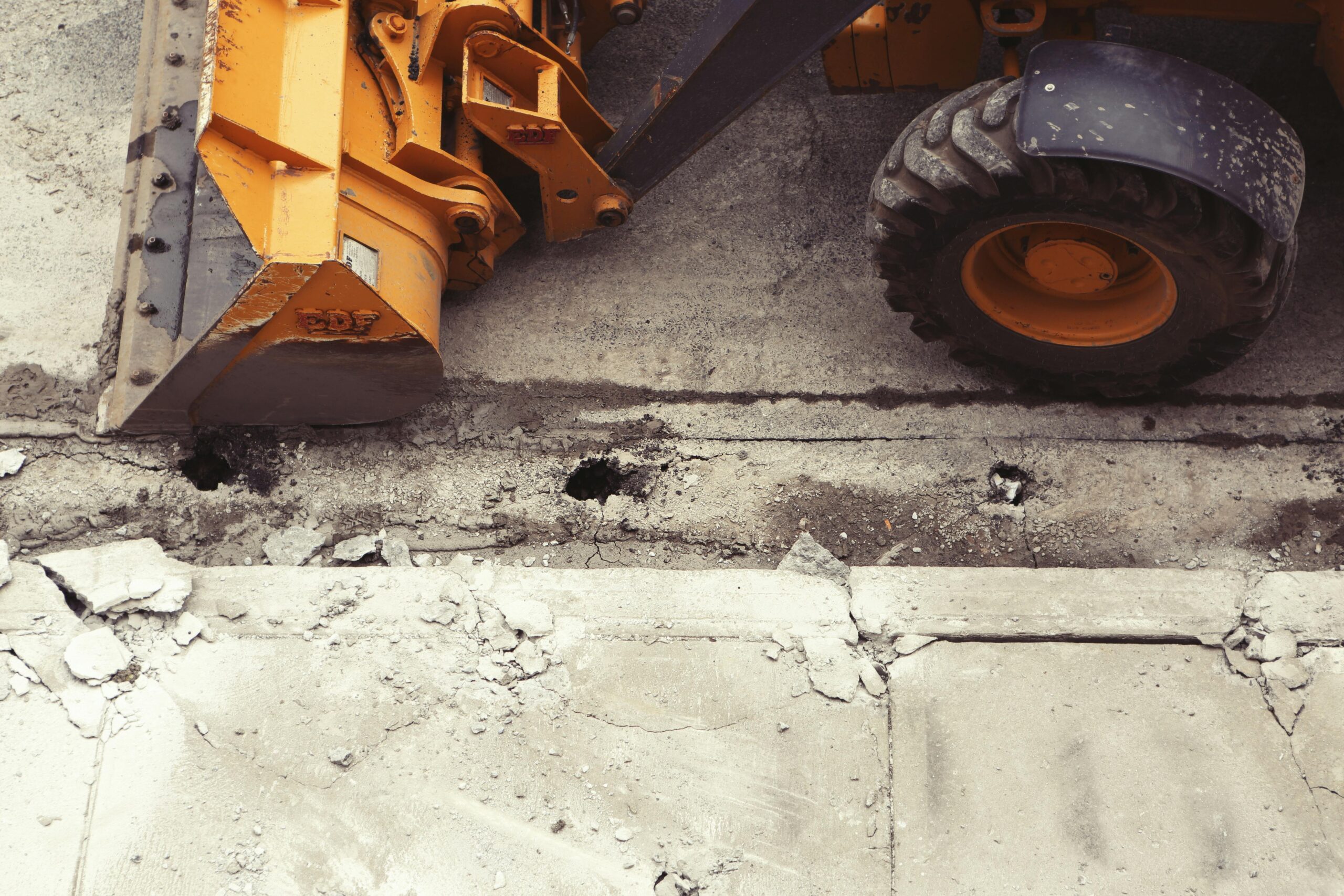
A successful concrete repair does not start with tools or materials — it starts with planning. Many repair failures can be traced back to decisions made before work even began. Knowing how to plan a concrete repair project properly helps control costs, minimise disruption, and ensure repairs perform as intended over the long term.
Whether the issue is cracking, spalling, corrosion, or water ingress, a structured approach from assessment through completion is what separates durable repairs from short-term fixes.
Step 1: Identify the Real Problem (Not Just the Symptoms)
Concrete damage is often misdiagnosed. Surface defects can mask deeper issues such as reinforcement corrosion, movement, or moisture ingress.
Early planning should focus on understanding:
- What type of damage is present
- Whether deterioration is active or historic
- If defects are structural or cosmetic
- What factors are driving the damage
This diagnostic phase draws heavily on recognising the signs your concrete needs repair.
Step 2: Assess Extent, Risk, and Urgency
Not all concrete repairs carry the same risk profile. Planning should consider how failure could affect safety, access, or asset value.
Key questions include:
- Is there a safety risk (fall hazard, spalling overhead)?
- Could deterioration spread if left untreated?
- Does the defect affect waterproofing or durability?
- Is the structure load-bearing or public-facing?
This risk-based thinking is particularly important in commercial and residential buildings where duty of care applies.
Step 3: Decide Whether Repair, Resurfacing, or Replacement Is Appropriate
Planning requires choosing the right intervention — not automatically defaulting to repair.
Depending on condition, options may include:
- Localised concrete repair
- Concrete resurfacing
- Structural strengthening
- Full replacement (last resort)
Understanding this decision-making process is explored further in this concrete resurfacing vs replacement guide.
Step 4: Select the Correct Repair Methodology
Once the strategy is clear, the repair method must match both the defect and the environment.
Common methodologies include:
- Patch repairs for spalled concrete
- Crack injection for structural cracking
- Corrosion treatment and re-profiling
- Waterproofing or protective coatings
Step 5: Plan Surface Preparation in Detail
Surface preparation is rarely glamorous, but it is the foundation of repair performance. Inadequate preparation is one of the biggest contributors to premature failure.
Planning should account for:
- Mechanical preparation methods
- Access constraints
- Noise, dust, and vibration management
- Moisture control
Step 6: Consider Environmental and UK Climate Factors
Concrete repair planning in the UK must account for:
- Temperature fluctuations
- Rainfall and drying conditions
- Freeze–thaw exposure
- Seasonal access limitations
Weather affects not only scheduling but material selection, curing, and protection strategies. Over the years, we’ve supported concrete repair projects in many different parts of the country, such as:
- London
- Manchester
- Birmingham
- Liverpool
- Leeds
- Nottingham
- Bristol
- Brighton
- Cardiff
- Plymouth
- Luton
- Reading
- Norwich
- Swindon
- Portsmouth
- Oxford
- Ipswich
Step 7: Address Access, Safety, and Occupancy Constraints
Concrete repairs rarely occur in empty, ideal environments. Planning must consider:
- Occupied buildings
- Live traffic or pedestrian routes
- Noise and dust control
- Temporary safety measures
Stairs, balconies, and walkways require particularly careful sequencing, as discussed here.
Step 8: Integrate Protection and Durability Measures
Repairs that do not address long-term durability often fail prematurely. Planning should consider whether repairs require:
- Waterproofing
- Anti-carbonation coatings
- Protective or anti-slip finishes
Durability planning is closely linked to the role of protective coatings in preserving UK concrete structures.
Step 9: Budgeting, Programming, and Lifecycle Thinking
A well-planned concrete repair project considers not just upfront cost, but lifecycle value.
Good planning accounts for:
- Realistic repair sequencing
- Curing and protection periods
- Future maintenance requirements
- Cost of access and disruption
This approach aligns with why commercial properties should schedule regular concrete maintenance.
Step 10: Know When to Get Expert Input Early
Some projects benefit significantly from early specialist involvement — not after failures occur.
Professional input is particularly valuable when:
- Multiple defects interact
- Reinforcement corrosion is present
- Waterproofing is involved
- The structure is critical or listed
In these cases, discussing the project before work begins can help avoid unnecessary scope changes and repeat repairs.
You can also speak directly with a specialist by calling 07808 709670.
Final Thoughts
Knowing how to plan a concrete repair project from start to finish is what transforms reactive maintenance into controlled, long-lasting repair work. Planning reduces risk, improves outcomes, and ensures repairs address the cause — not just the symptoms.
Well-planned repairs last longer, cost less over time, and protect the value of the structure they serve.