
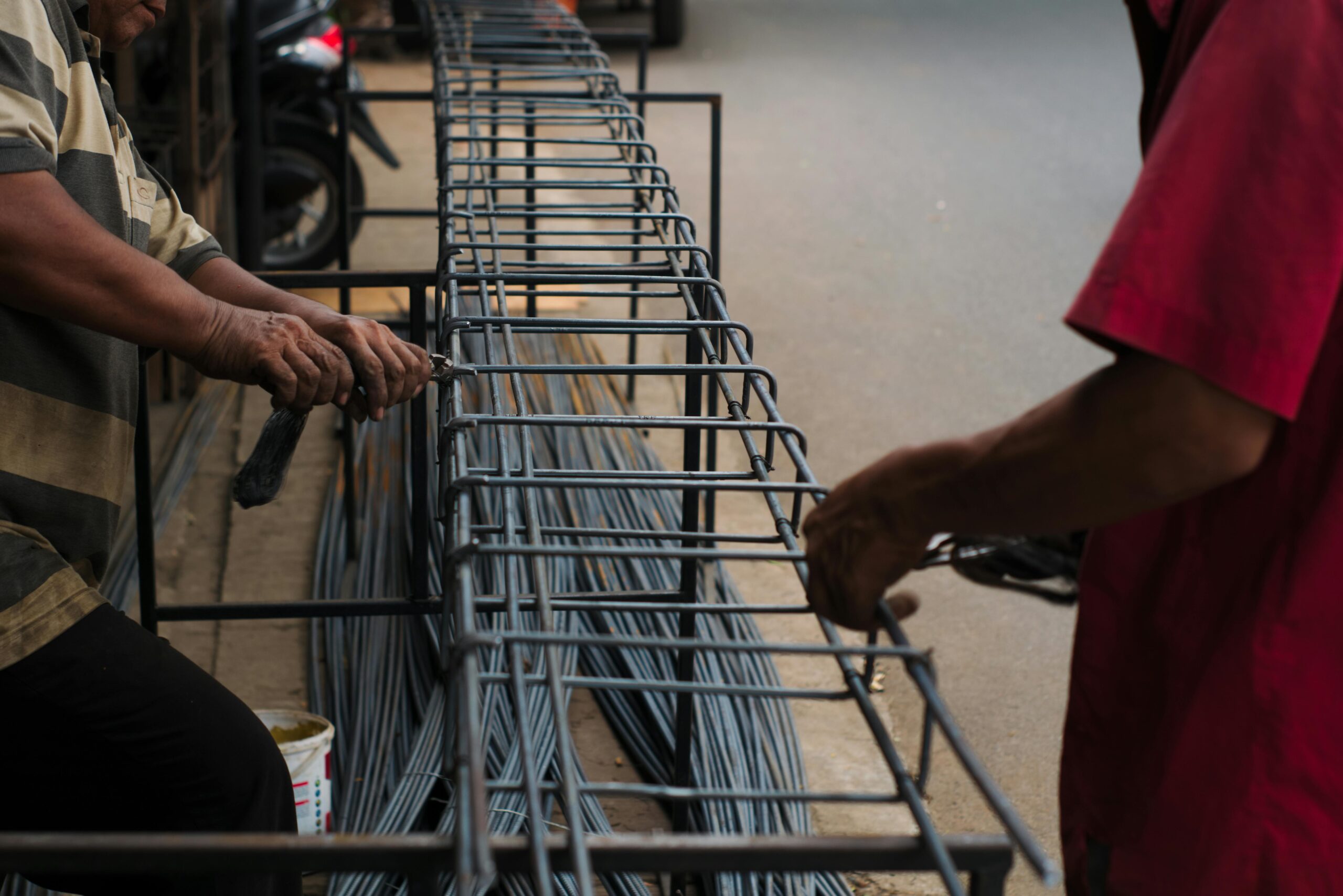
Exposed steel reinforcement is one of the clearest indicators that concrete deterioration has progressed beyond a cosmetic issue. When rebar becomes visible, corrosion is usually already active, and damage can accelerate rapidly if not addressed. Knowing how to fix concrete around exposed rebar correctly is essential to stop further deterioration, restore durability, and protect the structural integrity of the element.
This type of repair requires more than simply patching over the steel. Unless corrosion is treated properly and adequate cover is reinstated, failure is likely to recur.
Why Rebar Becomes Exposed in Concrete
Concrete is designed to protect steel reinforcement by providing an alkaline environment and sufficient cover depth. When this protection is compromised, corrosion begins.
Common causes of exposed rebar include:
- Carbonation reducing concrete alkalinity
- Water ingress through cracks or joints
- Chloride contamination (particularly in urban or coastal areas)
- Inadequate concrete cover at construction stage
As steel corrodes, it expands, exerting pressure on the surrounding concrete and causing cracking and spalling.
This process is examined in more detail when identifying concrete spalling causes, signs and repair solutions.
Why Exposed Rebar Should Never Be Ignored
Leaving exposed reinforcement untreated allows corrosion to continue unchecked. Over time, this can lead to:
- Loss of steel cross-section
- Reduced load-bearing capacity
- Progressive concrete failure beyond the original defect
What often begins as a small localised defect can escalate into a major repair if left unresolved.
Exposed rebar is also one of the most serious signs your concrete needs repair. Our team has been able to operate across all major areas of the country, such as:
- London
- Manchester
- Birmingham
- Liverpool
- Leeds
- Nottingham
- Bristol
- Brighton
- Cardiff
- Plymouth
- Luton
- Reading
- Norwich
- Swindon
- Portsmouth
- Oxford
- Ipswich
Step 1: Assess the Extent of Corrosion and Damage
Before repairs begin, the affected area must be assessed properly.
Key questions include:
- How far corrosion extends along the reinforcement
- Whether multiple bars are affected
- If surrounding concrete is sound or delaminated
- Whether the damage is structural or non-structural
This assessment determines how much concrete must be removed and whether additional strengthening is required.
Step 2: Break Out Concrete to Expose Sound Steel
All damaged concrete must be removed until sound material is reached. This usually means breaking back beyond the visibly corroded area to fully expose the affected reinforcement.
Correct breakout should:
- Follow corrosion along the bar
- Provide sufficient clearance for treatment
- Avoid feathered edges
Partial removal often leads to corrosion continuing beneath the repair.
Step 3: Clean and Prepare the Reinforcement
Once exposed, the reinforcement must be cleaned thoroughly to remove rust, mill scale, and contaminants.
This is typically achieved by:
- Mechanical wire brushing or abrasive cleaning
- Ensuring bare metal is visible where possible
If significant section loss is identified, engineering input may be required to determine whether additional reinforcement is needed.
Early-stage corrosion detection and intervention are explored further in this guide.
Step 4: Apply Corrosion Protection to Rebar
After cleaning, a corrosion protection system should be applied to the steel. This helps:
- Re-passivate the reinforcement
- Reduce future corrosion risk
- Improve bond with repair materials
Skipping this step is a common cause of repeat failure and one of the errors highlighted when reviewing top concrete repair mistakes property owners make.
Step 5: Rebuild Concrete Cover Using the Correct Repair Mortar
The repair material must be compatible with the existing concrete and suitable for structural repairs.
Key requirements include:
- Good bond to both steel and concrete
- Low shrinkage
- Adequate strength and durability
- Resistance to moisture ingress
Material selection forms part of understanding the different methods of concrete repair.
The repair should fully reinstate the original concrete cover to protect the steel long term.
Step 6: Cure and Protect the Repair
Correct curing is essential to prevent shrinkage cracking and ensure the repair achieves its designed performance.
In exposed environments, additional protective measures may be required to limit moisture ingress and carbonation. This is particularly relevant in the UK, where environmental exposure plays a major role in deterioration.
Why Localised Rebar Repairs Often Fail
Failures usually occur because:
- Corrosion was not fully removed
- Steel was not protected
- Inadequate concrete cover was reinstated
- The repair material was incompatible
Many of these issues stem from misunderstanding why concrete gets damaged in the first place.
Integrating Rebar Repairs Into a Broader Strategy
Exposed rebar is rarely an isolated problem. It often indicates broader durability issues such as water ingress, poor drainage, or insufficient protection.
When to Seek Specialist Advice
Professional input is strongly recommended when:
- Multiple reinforcement bars are exposed
- Structural elements are affected
- Corrosion appears widespread
- Previous repairs have failed
In these situations, confirming the repair approach before proceeding can prevent costly repeat work.
You can also speak directly with a specialist by calling 07808 709670.
Final Thoughts
Knowing how to fix concrete around exposed rebar properly is critical to stopping corrosion and preserving reinforced concrete structures. The key is addressing the cause, not just the visible damage.
When corrosion is treated correctly, steel is protected, and concrete cover is reinstated properly, repairs can perform reliably for many years — even in demanding UK conditions.