
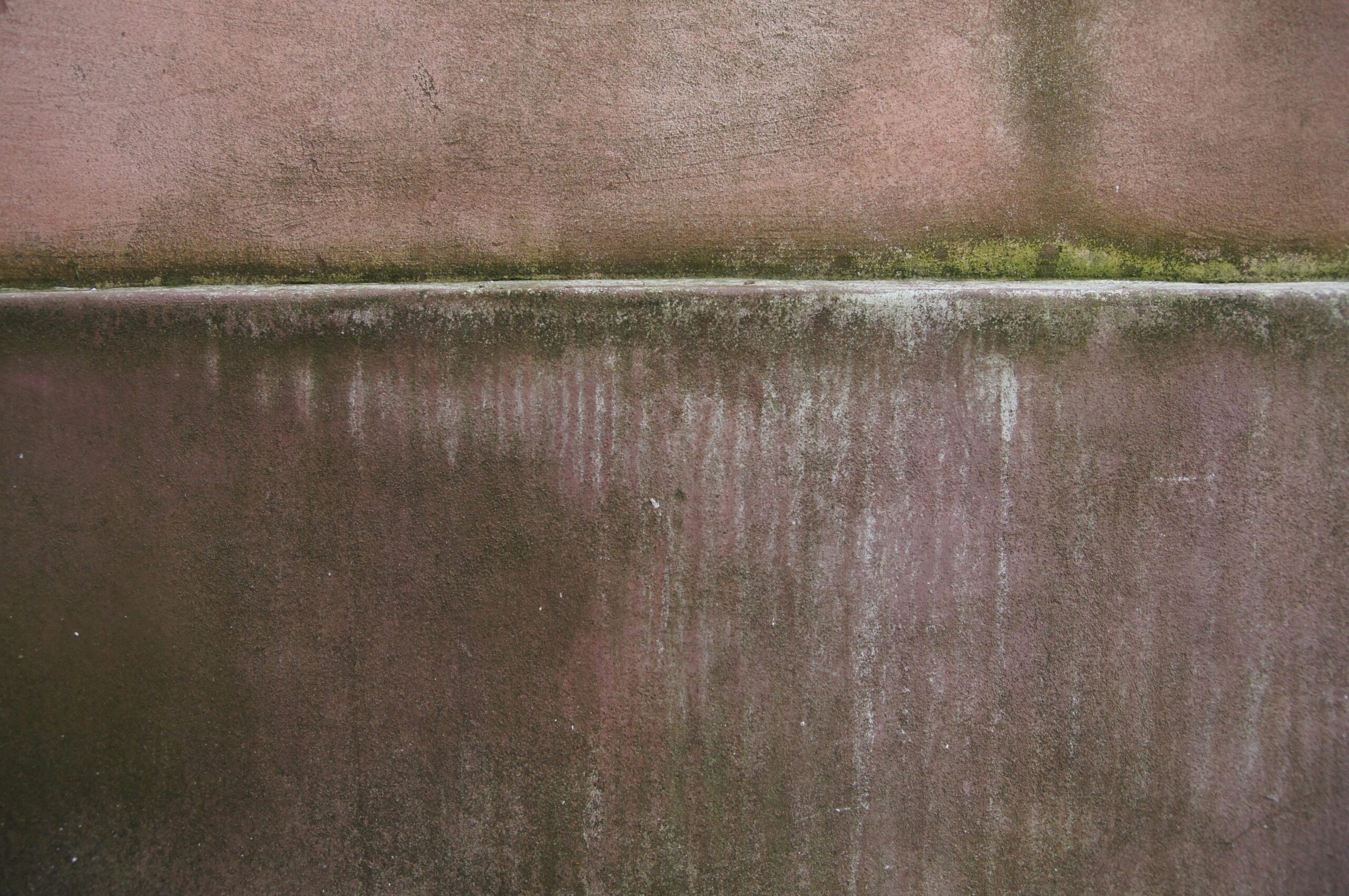
Damp is one of the most common issues affecting basements and cellars, particularly in UK properties. Whether the space is used for storage or has been converted into habitable accommodation, persistent moisture can lead to mould growth, material decay, and long-term structural problems. Knowing how to fix damp walls and floors in basements starts with understanding why moisture is entering the space and how best to control it.
Basements sit below ground level, which means they are constantly exposed to groundwater and moisture pressure from the surrounding soil. Without effective protection, water will always try to find a way in.
Why Basements and Cellars Are Prone to Damp
Unlike above-ground walls, basement walls and floors are in direct contact with damp ground. Moisture can enter through:
- Porous concrete and masonry
- Cracks in walls or slabs
- Construction joints
- Failed or absent waterproofing systems
Over time, this moisture can migrate across internal surfaces, even if no obvious leaks are visible.
Common Signs of Damp in Basements
Early identification is important. Typical warning signs include:
- Damp patches on walls or floors
- White salt deposits (efflorescence)
- Peeling paint or blistering finishes
- Musty smells or mould growth
Many of these symptoms overlap with broader deterioration issues discussed when identifying the signs your concrete needs repair.
Identifying the Source of Moisture
Before attempting to fix damp walls or floors, the source of moisture must be identified. Common sources include:
- Groundwater pressure
- Surface water ingress
- Condensation caused by poor ventilation
- Leaks from drainage or services
Misdiagnosing the source often leads to ineffective solutions, such as cosmetic coatings that fail within months.
Methods Used to Fix Damp Basement Walls and Floors
Internal tanking systems
Tanking involves applying a waterproof barrier directly to internal walls and floors, preventing moisture from entering the space. This method is commonly used in older properties where external access is limited.
Correct detailing at joints, corners, and floor–wall junctions is essential for tanking systems to perform effectively, as demonstrated in projects involving tanking membrane installation in basement environments.
Cavity drainage systems
Cavity drainage systems manage water rather than blocking it. Moisture is allowed to enter a controlled cavity behind the wall lining and is then directed to drainage channels and sump pumps.
This approach is particularly effective where groundwater levels fluctuate or where long-term reliability is required.
Floor waterproofing and screed systems
Basement floors often require additional treatment, especially where rising moisture is present. Waterproof membranes combined with flowable screeds can provide a durable, level surface while controlling moisture movement, similar to systems used in basement and internal waterproofing installations.
The Role of Cracks and Structural Defects
Cracks in basement walls and floors provide direct pathways for water ingress. These may result from settlement, thermal movement, or construction defects.
Where cracking is present, it should be addressed before or alongside waterproofing works. This is closely linked to understanding effective solutions for basement concrete wall repairs and leak remediation.
UK Climate Considerations
The UK’s climate significantly influences basement damp issues. Prolonged rainfall, high water tables, and seasonal freeze–thaw cycles all increase moisture pressure on below-ground structures.
Basements that remain dry during summer may experience damp issues in winter, highlighting the importance of long-term solutions rather than short-term fixes. Environmental exposure and its impact on concrete performance are explored further when examining how weather affects concrete in the UK. Our work spans a wide range of environments and project types across the UK.
We serve the major cities, including:
- London
- Manchester
- Birmingham
- Liverpool
- Leeds
- Nottingham
- Bristol
- Brighton
- Cardiff
- Plymouth
- Luton
- Reading
- Norwich
- Swindon
- Portsmouth
- Oxford
- Ipswich
Why Surface Treatments Alone Often Fail
Paints and sealers are often marketed as quick fixes for damp basements. While they may temporarily improve appearance, they rarely address underlying moisture pressure.
When moisture becomes trapped behind surface coatings, it often leads to blistering, peeling, and accelerated deterioration. Many of these failures stem from mistakes outlined when discussing common waterproofing mistakes and how to avoid them.
Integrating Damp Proofing with Structural Repairs
Damp problems rarely exist in isolation. Cracked concrete, spalling, and reinforcement corrosion can all contribute to moisture ingress.
Addressing these issues together is part of professional concrete repairs across the UK,
where damp control, structural integrity, and durability are considered as a single system rather than separate issues.
When to Seek Professional Advice
Professional assessment is strongly recommended where:
- Damp is persistent or worsening
- Basements are intended for habitable use
- Multiple moisture sources may be involved
- Previous waterproofing has failed
If you are unsure how to fix damp walls and floors in basements effectively, obtaining an early professional opinion can prevent unnecessary expense and disruption later.
You can also speak directly with a specialist by calling 07808 709670.
Final Thoughts
Fixing damp walls and floors in basements and cellars requires more than surface treatments. Long-term success depends on accurate diagnosis, appropriate waterproofing systems, and integration with structural repairs where necessary.
When done correctly, basement damp solutions protect the building, improve indoor conditions, and add long-term value to the property.