
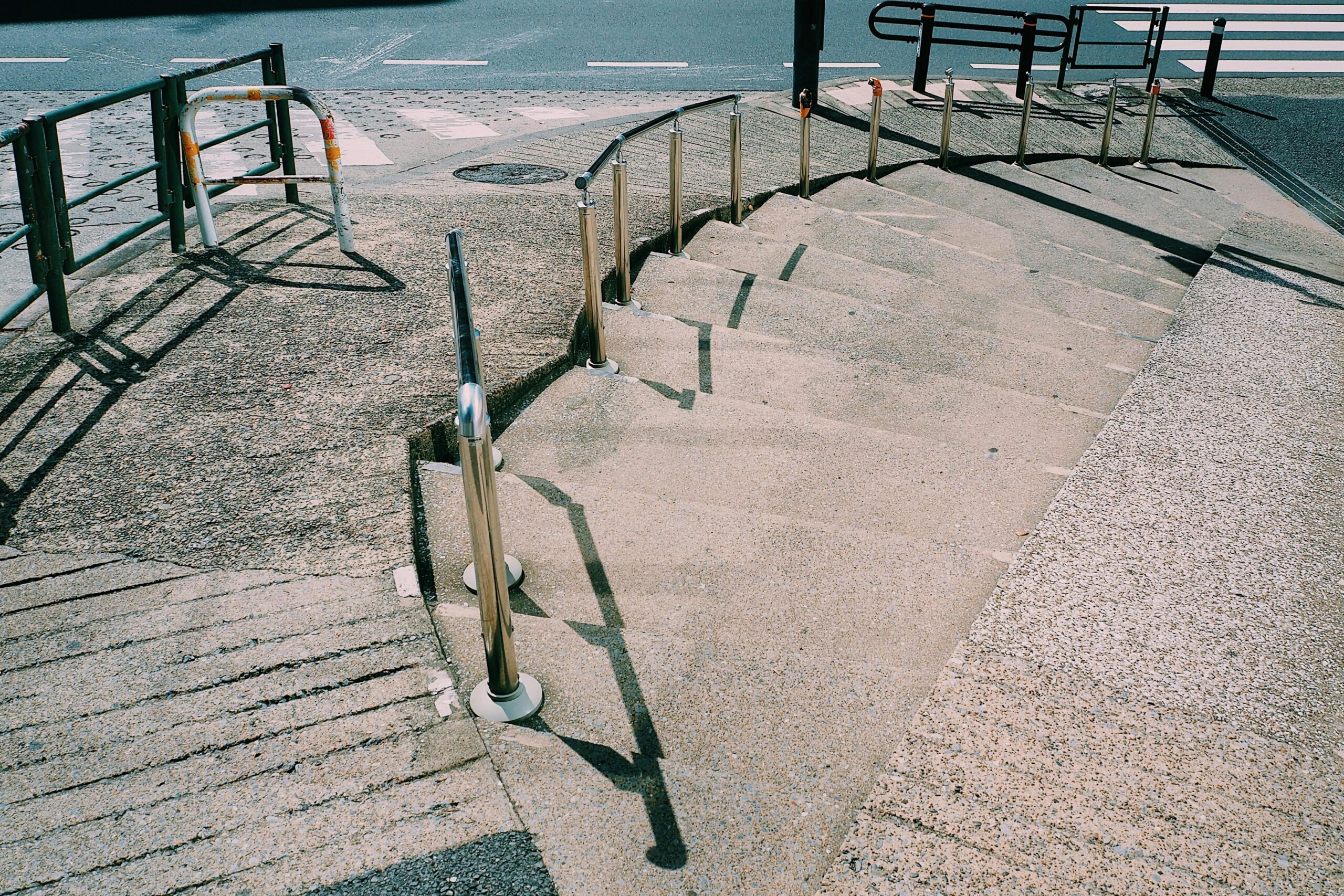
Concrete stairs and steps are high-risk elements in any building. They are subject to constant foot traffic, weather exposure, and impact, making them particularly vulnerable to damage. When deterioration occurs, it creates not only a structural concern but also a serious safety hazard. Knowing how to repair concrete stairs and steps safely is essential to prevent accidents, extend service life, and ensure compliance with basic duty-of-care obligations.
Unlike flat slabs, stair repairs must balance durability, geometry, and slip resistance, all while maintaining safe access during and after the works.
Why Concrete Stairs and Steps Fail
Concrete steps often deteriorate faster than surrounding surfaces due to their geometry and exposure.
Common causes include:
- Impact damage to nosings and edges
- Freeze–thaw action causing surface breakdown
- Water ingress through cracks and joints
- Reinforcement corrosion near step edges
- Poor original detailing or insufficient cover
Once damage begins, stair defects worsen quickly because repeated loading concentrates stress at already weakened points.
These early warning signs often mirror the broader signs your concrete needs repair. Our team is readily available to assist in all major areas of the country, including:
- London
- Manchester
- Birmingham
- Liverpool
- Leeds
- Nottingham
- Bristol
- Brighton
- Cardiff
- Plymouth
- Luton
- Reading
- Norwich
- Swindon
- Portsmouth
- Oxford
- Ipswich
Why Safety Must Come First in Stair Repairs
Damaged stairs are a leading cause of slips, trips, and falls. Uneven riser heights, broken nosings, or loose material can turn minor defects into serious hazards.
Safe stair repairs must:
- Restore consistent tread and riser dimensions
- Eliminate trip edges and loose concrete
- Improve slip resistance where required
- Maintain structural integrity
Safety considerations extend beyond repair materials and into detailing, curing, and surface finishes.
Step 1: Assess the Type and Extent of Damage
Before repairs begin, the stairs must be carefully inspected.
Key aspects to assess include:
- Whether damage is cosmetic or structural
- Depth of spalling or cracking
- Condition of step edges and nosings
- Presence of exposed reinforcement
If reinforcement is visible, corrosion is likely active and must be addressed properly, as outlined in this article.
Step 2: Make the Area Safe Before Repairs
Because stairs are access routes, temporary safety measures are critical.
These may include:
- Barriers or controlled access routes
- Temporary non-slip coverings
- Clear signage
Attempting repairs without managing access is one of the most common safety oversights in stair projects.
Step 3: Break Out Unsound Concrete
All loose, cracked, or delaminated concrete must be removed back to sound material. Feathered edges should be avoided, particularly on nosings and tread edges.
Proper breakout:
- Prevents repeat failure
- Allows proper bonding of repair materials
- Restores load-bearing capacity
This process follows the same principles used in different methods of concrete repair.
Step 4: Treat Reinforcement Where Present
Stair edges often have shallow reinforcement cover, making them susceptible to corrosion. If steel is exposed, it must be cleaned and protected before reinstatement.
Step 5: Rebuild Steps and Nosings Accurately
Repair materials must be suitable for edge detailing, abrasion resistance, and external exposure where applicable.
Successful step repairs require:
- Accurate profiling of treads and risers
- Strong, impact-resistant repair mortars
- Secure reinstatement of nosings
Even small dimensional inconsistencies can create trip hazards, making accuracy essential.
Step 6: Improve Slip Resistance Where Necessary
Slip resistance is a critical safety factor, especially on external steps or in wet environments.
Options may include:
- Anti-slip nosings
- Textured finishes
- Protective coatings designed to enhance grip
Slip resistance measures form part of broader strategies discussed in the role of anti-slip coatings in safety and durability.
Step 7: Cure and Protect the Repair
Correct curing is essential to ensure strength development and prevent early cracking. Repairs should be protected from:
- Rapid drying
- Rain during early curing
- Frost in colder conditions
Why Stair Repairs Often Fail
Common reasons include:
- Inadequate breakout
- Poor edge detailing
- Incorrect material selection
- Ignoring slip resistance
Many of these issues stem from misunderstandings highlighted in the top 5 concrete repair mistakes property owners make.
Integrating Stair Repairs Into a Wider Maintenance Plan
Damaged stairs are often a symptom of wider concrete deterioration. Addressing underlying issues such as drainage, waterproofing, or movement helps prevent repeat damage.
This integrated approach is standard within professional concrete repairs across the UK, where safety, durability, and compliance are treated as a single objective.
In busy urban environments, public access constraints and safety regulations make experience particularly important for concrete repairs in London.
When Professional Input Is Advisable
Specialist advice is recommended when:
- Stairs are part of an escape route
- Damage affects multiple steps
- Structural cracking is present
- Slip incidents have already occurred
In these cases, confirming the repair approach before works begin can significantly reduce risk.
You can also discuss stair repair options directly by calling 07808 709670.
Final Thoughts
Knowing how to repair concrete stairs and steps safely is about more than restoring appearance. It is about managing risk, ensuring consistent geometry, and delivering durable repairs that withstand constant use.
When stairs are repaired correctly, they remain safe, compliant, and serviceable for years — even under demanding UK conditions.