
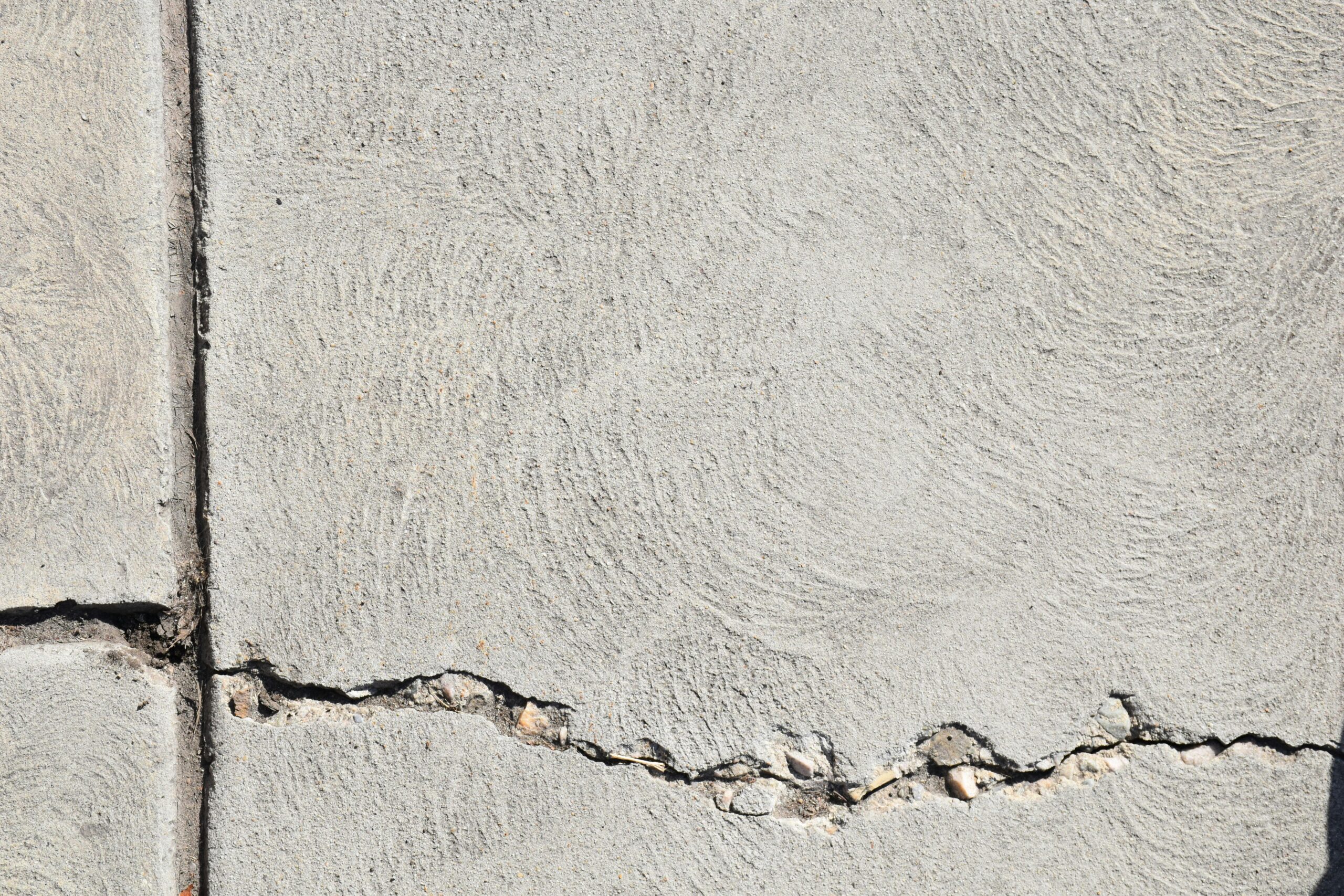
Fresh concrete is at its most vulnerable in the first hours and days after placement. This is the window where weather does the most damage , not years later. In the UK especially, where conditions can change rapidly, protecting fresh concrete from rain, frost, and heat is not optional; it’s fundamental to achieving strength, durability, and a clean finish.
Why the First 72 Hours Matter More Than Anything Else
Concrete doesn’t fail because of age — it fails because something went wrong early on. Excess water, freezing temperatures, or rapid moisture loss during the first curing phase permanently alter the internal structure of the concrete.
When weather protection is neglected, common outcomes include:
- Surface laitance and dusting
- Early cracking
- Weak edges and corners
- Increased permeability
- Reduced lifespan
Many of the concrete defects that later require intervention can be traced back to poor early protection rather than material quality.
Protecting Fresh Concrete from Rain
Why Rain Is a Bigger Problem Than Most People Realise
Light mist isn’t always harmful, but sustained or heavy rainfall can wash cement paste from the surface, weaken the top layer, and ruin finishes. Flat slabs, steps, and landings are particularly exposed.
Rain damage often doesn’t show immediately. Instead, it appears months later as:
- Scaling
- Surface flaking
- Uneven wear
- Early need for resurfacing
This is a common reason why newly poured external slabs deteriorate far sooner than expected.
Practical Rain Protection Measures
- Install temporary covers before rain starts, not after
- Keep sheeting raised to avoid surface contact
- Prevent water pooling on slabs
- Delay finishing if rainfall is forecast within hours of placement
Once rain damage occurs, it cannot be “finished out” — the damage is already locked in.
Protecting Fresh Concrete from Frost
The Risk of Early Freezing
Concrete that freezes before gaining sufficient strength suffers internal cracking that cannot be repaired. Even if the surface looks fine, the concrete may never reach its design performance.
This is particularly relevant in late autumn, winter, and early spring, when overnight temperatures drop unexpectedly.
Cold-Weather Protection Strategies
- Avoid placing concrete if temperatures are forecast below 5°C
- Use insulating blankets immediately after finishing
- Protect edges, corners, and thin sections first
- Extend curing times in cold conditions
Frost-related damage is a major contributor to premature repairs on steps, balconies, and exposed edges.
Protecting Fresh Concrete from Heat and Rapid Drying
Why Heat Can Be Just as Damaging as Cold
While the UK isn’t known for extreme heat, warm, dry, or windy conditions can still cause serious curing problems. Rapid moisture loss leads to plastic shrinkage cracking and weak surface layers.
This type of damage is often misdiagnosed later as poor workmanship rather than early moisture loss.
Effective Warm-Weather Protection
- Dampen surrounding areas to reduce evaporation
- Use curing compounds to retain moisture
- Erect windbreaks on exposed sites
- Avoid placing concrete in direct midday sun where possible
Surface cracks formed at this stage often become long-term durability issues.
Why Repairs Are Even More Sensitive to Weather
Concrete repairs, especially patch repairs, are thinner, more exposed, and bonded to existing concrete that absorbs moisture quickly. This makes them far more sensitive to weather than new pours.
Poor weather protection is one of the main reasons repairs debond, crack, or fail early.
This becomes especially critical when repairing:
- Spalled concrete
- Exposed reinforcement
- Structural edges and corners
Linking Weather Protection to Long-Term Durability
Concrete that is protected correctly from the outset:
- Achieves higher compressive strength
- Resists water penetration
- Reduces corrosion risk
- Performs better under freeze–thaw exposure
This is why many long-lasting repairs combine correct curing with post-cure protective systems, particularly in exposed environments.
When Professional Oversight Is Worth It
Weather protection isn’t just about covers and blankets — it’s about timing, sequencing, and knowing when not to pour.
Professional oversight is strongly recommended for:
- External slabs and steps
- Balconies and roof decks
- Structural repairs
- Cold-weather or wet-season works
Experienced contractors plan around UK conditions rather than reacting to them mid-job
If you’re planning works in London, specialist support helps avoid early failure.
Besides London, we also provide support across all major cities, including:
- Manchester
- Birmingham
- Liverpool
- Leeds
- Nottingham
- Bristol
- Brighton
- Cardiff
- Plymouth
- Luton
- Reading
- Norwich
- Swindon
- Portsmouth
- Oxford
- Ipswich
Get Advice Before Weather Damage Becomes a Repair Problem
Protecting fresh concrete from rain, frost, and heat is about preventing problems that are expensive — and sometimes impossible — to fix later. Most premature concrete failures start within the first few days, not years down the line.
If you’re unsure how to protect a pour or repair under changing weather conditions, get advice early.
📞 07808 709670 or contact us here!